Showing posts with label almonds. Show all posts

Friday, May 18, 2018

ROYAL ALMONDS

I am a fan of neither weddings nor royalty but I am pleased to see a man who, however privileged, endured a terrible tragedy at a very young age finally obtain some happiness and OK - I am British enough to get just a little sentimental when I see TV pictures of that same prince striding out of the fortress that is Windsor Castle to meet the crowd and heading straight for one of the youngest members of it. Yes, I know it's only for a few minutes and that it is carefully planned and orchestrated by PR folk, but many in his place would not bother and it's  - well, nice.

Sadly, though, Harry, I've had to turn down your invitation - which I am sure is held up in the post - as I'm off to the Infiorata in Noto tomorrow. Now Noto happens to be in the Province of Siracusa, as is the pleasant town of Avola, which has a connection with the regal nuptials, for the confetti - little bags of sugared almonds - to be given as wedding favours at the event were made from the famous almonds which are cultivated there. The confetti have been produced by the Confetti Pelino Company in Sulmona, Abruzzo and no flour or cornflour have been used - just Avola almonds and sugar.  The Pelino company also made the confetti for the wedding of Prince Charles and the then Lady Diana Spencer.


This is a note on the etymology of the word confetti from a post I wrote in 2009:

The etymology of the word confetti is interesting because it means sugar-coated almonds [the type Italians give you before weddings, Christenings and graduations]. Originally, it was the town's aristocracy who got to ride on the Carnival floats and they would throw these sweets to the crowd. I can't help wondering if they caused any injuries among their targets!  Later. this practice died out and the gentler activity of throwing paper around replaced it. The Italian for what we know as confetti, by the way, is coriandoli.


Wednesday, April 20, 2016

SICILY SCENE REVISITED - AROUND THE ISLAND

Continuing my nostalgic journey through Sicily Scene's archives, I began to think about the many lovely places I have visited on this ever-fascinating island.  I have no doubt about my favourite - it is the Valley of Temples in Agrigento and I especially enjoyed this visit.  One of the most unusual events I have attended was the annual Easter display of "bread arches" at San Biagio Platani and I hope to get there again one day.  Then there is the Infiorata in Noto [coming up soon], which I try to attend every year and of course I love Catania! These are but a few of the island's treasures and there is always something new, somewhere, to discover.  But I think one of the most interesting trips I have taken was this early one, so I'll repeat the first of a series of posts on it here:

On the Nelson trail - 24th January 2007
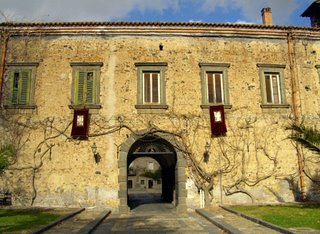


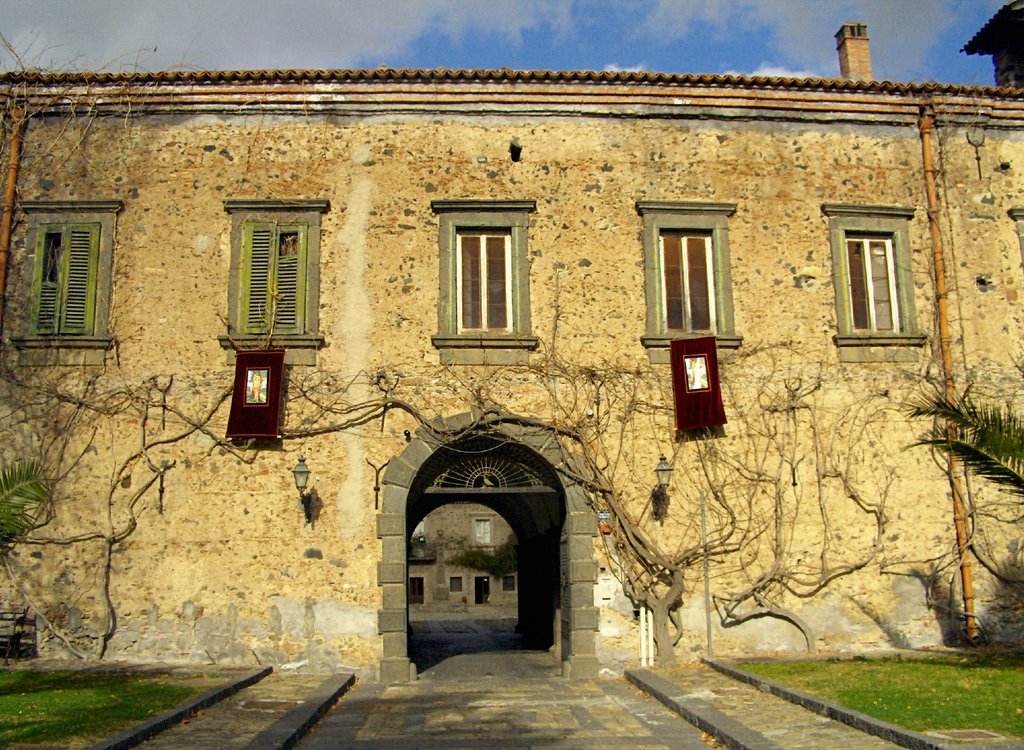
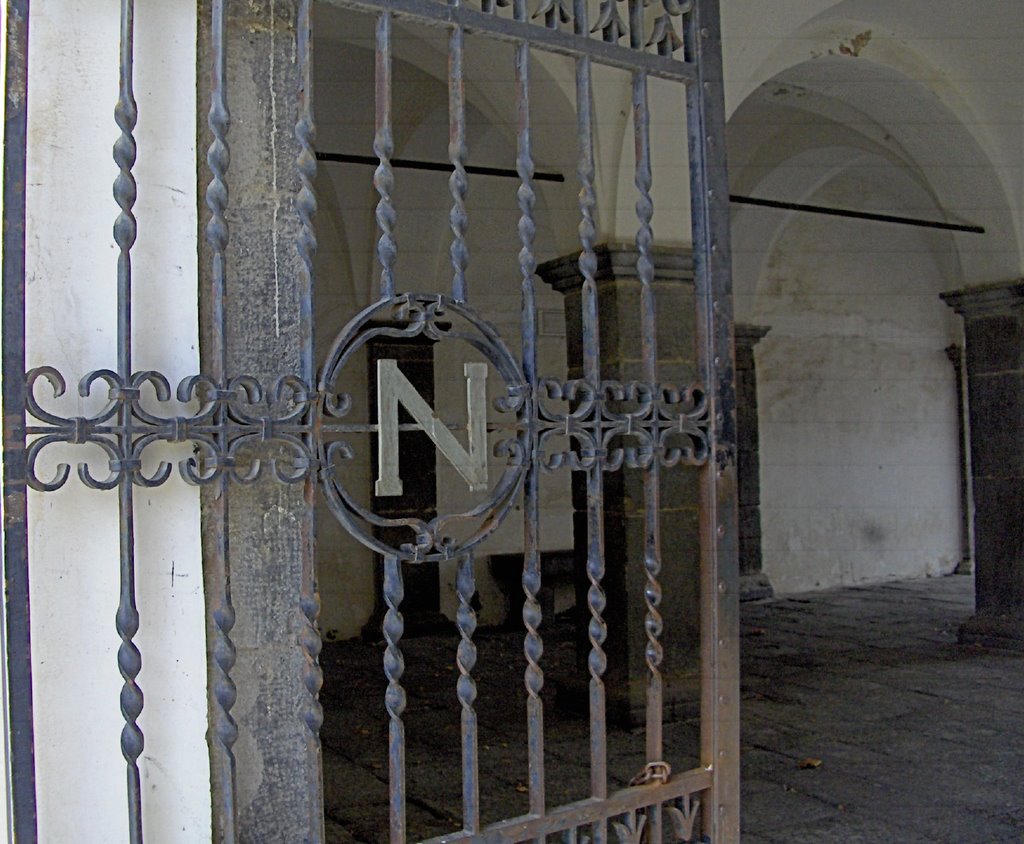
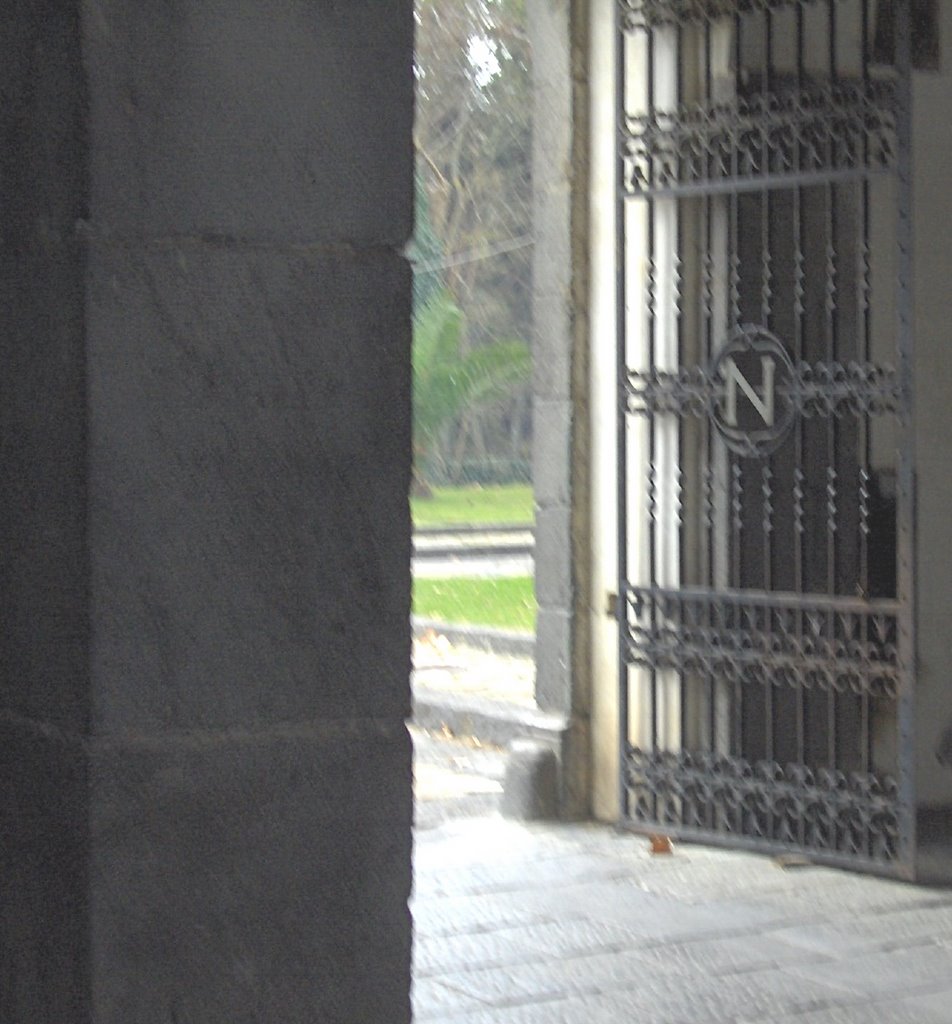
About 37 miles northwest of Catania, tucked away in the shadow of Etna, lies the town of Bronte, the dukedom of which was bestowed upon a certain Admiral Horatio Nelson by a grateful King Ferdinando [III of Sicily and IV of Naples] in 1799. A little further on still is Maniace, where the former Benedictine Abbey became known as Il Castello dei Nelson. And that is where I have been today. It is a lovely and impressive place, as I hope the photos will show - much lovelier than I had anticipated. I should like to be able to tell you that England's saviour lingered there in the sun with his Emma - and many Sicilians believe that he did - but, alas, he died without ever having seen it. The first of his descendants to arrive there was his niece Charlotte, who, reaching it after a truly nightmarish journey, decided that it was not to her taste and stayed only three days! [More the fool her!] It was later used by other members of the family but under agrarian reform in Italy in 1961 much of the land was redistributed. The Nelson family sold the castle and park to the Comune of Bronte in 1981.
There may, however, be another British connection: the Rev. Patrick Prunty or Brunty, father of another Charlotte plus Emily, Anne and Branwell, changed his name to Brontë in 1802. I like to think that he did it as a homage to Nelson then added the diaeresis for effect and the dates do tally. By the way, I am not of the Mrs. Gaskell school of thought with regard to Patrick Brontë for I do not believe that he was a monster: he saw that his children were educated, encouraged them to write and cared for Branwell tenderly during the latter's last illness. I am also of the opinion that the main reason for his opposition to the Bell Nicholls marriage was concern for Charlotte's health, and in this he was, tragically, proved right. But I digress. Let us at least hope that poor, bereaved Mr. Brontë found some comfort in his name in the winter of his life. I wonder what, if anything, he knew of the little town in faraway, sunny Sicily? He was a well-read man, so it is possible that he knew something....
I now have to confess that I made this trip the lazy way. It would not be possible to get to Bronte and back in a day using public transport, so I hired a car and a driver. This is not a particularly cheap thing to do in Sicily but it was cheaper than staying in a Catania hotel overnight and, more importantly, saved me kennelling Simi for a night. ["And I should think so, too!" she is saying as she sits beside me, waiting for her walk.] This, again, is something the Sicilians need to sort out: no one will use Modica or anywhere else as a base if they can't get around. Not everyone wants to hire a car, as even if you are used to driving in Italy, to do so here is, at the very least, challenging! The best thing that towns of Modica's size could do to encourage tourism would be to organise escorted trips to places of interest such as Bronte.
But let us return to our hero. Nelson, me old hearty, I've always thought you looked terribly lonely all the way up there on that column. So next time I'm in London, I'll sit in the National Gallery's restaurant, gaze across at you and tell you all about your Duchy of Bronte today. How's that?
More photos - and more, and more - in a minute!

Here are links to the other posts about this visit:

On the Nelson trail - 2
On the Nelson trail - 3
On the Nelson trail - 4
On the Nelson trail - 5
On the Nelson trail - 6
On the Nelson trail - 7


I hope you enjoy them.

Wednesday, April 18, 2012

AN AMBITION ACHIEVED

After our morning in San Biagio Platini on Sunday, it was onwards to Agrigento for a guided walk around the old town, culminating in a visit to the Church of Santo Spirito.  This church is not normally open to the public, as its convent is home to a semi-closed order of Cistercian nuns, but our guide had arranged for it to be opened for us.


The Church was built in the thirteenth and fourteenth centuries but those lucky enough to enter are surprised by a Baroque interior with sparkling white figures in stucco on three sides.  These are probably the work of the Palermitano sculptor Giacomo Serpotta [1656 - 1732].

Now to the cloister:


And my ambition? Ever since I first visited Sicily I'd wanted to be able to buy dolci made by nuns and exchange my money for them through a grille. On Sunday I finally did this at Santo Spirito.  Well, it wasn't really a grille - more of a hatch - and a lay assistant was taking the money.  It was nice, however, to catch a fleeting glimpse of a face peeping from a wimple as the tray of almond biscuits was pushed towards me. I assure you they are delicious:


Nowhere is the tale of how Sicily's nuns traditionally made dolci better told than by Maria Grammatico to Mary Taylor Simeti in the book,  Bitter Almonds.

Many thanks to the person who uploaded this onto youtube:

Friday, October 28, 2011

AUTUMN JEWELS

We are coming up to the Tutti i Santi holiday and, on 2nd November, I Morti, when people remember the dead and that means the pastry shops are full of frutti di Martorana like these, which children receive as gifts from relatives who are no longer with them but continue to watch over them:


I like the legend of the origin of frutta di Martorana, so I will tell it again here:

The exquisite "fruits" are made from pasta reale [almond paste] but “marzipan” is a very inadequate translation which does not do justice to the work involved in its making. Legend has it that the first ever batch of Martorana fruit was made on the orders of a certain mother superior, who wanted to impress her Bishop during his visit. So the nuns prepared the “fruit” and hung it from the cloister trees; so “real” did it look that the Bishop declared that a miracle had happened, as all the fruits had appeared in the same season!

Tuesday, March 22, 2011

MORE ALMOND POLPETTE

Making this dish of veal and almond polpette gave me a chance to use my truffle flavour spray and the result was, I think, more successful than the veal and almond meatballs I previously tried.  The recipe uses Italian panna di cucina which has an entirely different texture from British single cream - it is much lighter.  It also uses fondo di vitello but neither the butcher nor I knew what it was!  Upon discussion of the recipe, we decided that it must be a fancy northern term for a chunk of veal fat so that is what he gave me.  I thought this might make the sauce too fatty but it didn't and imparted a delicious flavour. In this recipe crushed fette biscottate [similar to the French toast biscuits you can get in Britain] rather than breadcrumbs, are used to thicken the polpette mixture.  Those aren't pieces of black truffle decorating the polpette, by the way - they are slices of black olives!  For those of you in Italy, the recipe is in the July - August 2010 edition of the Conad supermarket chain's magazine, Bene Insieme:


Thursday, February 17, 2011

POLPETTE DI VITELLO ALLE MANDORLE

Or veal and almond meatballs:


First, toast 100 gr chopped almonds and soak 300 gr ordinary, white bread with the crusts cut off in enough milk to cover.  After a few minutes, drain the bread and give it a good squeeze with your hands.  Now put the bread in a bowl with 500 gr minced veal or lean minced beef, 100 gr grated caciocavallo cheese, the almonds, 3 teasp sugar, a little ground cinnamon and 1 beaten egg.  Mix it all together well with a fork, then use your hands to form balls, which you put on a plate.  [My meatballs tend to get bigger towards the end of this process!]  Now roll the balls first in a bowl containing 2 beaten eggs and then in pane grattuggiato or fresh breadcrumbs.  Fry in sunflower or groundnut oil in a deep pan or wok till browned all over. You will have to do this in batches.  Lift the meatballs out as they are done and drain on kitchen paper.  They will look like this:


When they are cool enough, you can refrigerate them for a couple of hours to firm up if you have time.  Next you have to cook them for about 45 minutes in simmering homemade tomato sauce or passata.  I did this in 2 batches, in a wok.  As I've now run out of the summer's tomato sauce, I used 2 bottles of passata for each batch and I find that the passata with a texture closest to homemade tomato sauce is De Cecco's Rustica.

These quantities will serve 4 - 6 people.   Serve with salad.  Buon appetito!

Saturday, October 23, 2010

SABATO MUSICALE FOR A NEW ARRIVAL

I'm sure you'll all want to join me in congratulating Rosa, whose first grandchild, Adri, was born last week.


Blue sugar-coated almonds for the birth of a baby boy

Welcome to the world, little Adri.  You will grow up with the love of a wonderful family and, as a bonus, you'll be able to enjoy your nonna Rosa's great cooking!

My colleague Vale at Italy Magazine chose this song to go with my article about the elderly in Sicily on Friday and, though Rosa is a very young grandmother, I'd like to dedicate the song to her tonight.  For those of you who don't speak Italian, it's about a child who loves her nonna Pina's tagliatelle, which cure everything and are better for you than medicine or coffee:

Zecchino D'Oro - Le tagliatelle di nonna Pina


Thursday, April 02, 2009

YET ANOTHER LUNCH!

Maria and Luca pulled out all the stops, even by Sicilian standards, for lunch on Sunday:

There were homemade arancini [rice balls]


followed by pasta al ragù,


tender pork


and very Sicilian pollo ripieno [chicken filled with a rice mixture].


There was homemade bread, too:


As for desserts, friend Roberta had made a cheesecake [with a base of digestive biscuit crumbs and almonds],


Linda and Chiara had brought along their famous almond biscuits [recipe here],


other friends had brought these dolci,


then Maria brought out her homemade cannoli, filled with homemade ricotta.


And just when we thought it was all over, she appeared with a lemon sorbet!


This time my offering was a decoration I put together. I do think Lakeland's egg wraps are a wonderful invention! [Lakeland is a UK kitchen store.]


We toasted each other with Asti and declared Easter.

Tuesday, November 20, 2007

SICILIAN GOODY BAG


Kind friends invited me to lunch on Sunday and I thought I'd give them a rest from me whipping out my camera every time they placed a dish on the table - though they would never stop me photographing the produce of their kitchen. Instead, here are the goodies they insisted I bring back with me: lemons and a grapefruit from their trees - if a lemon straight from a tree is a wondrous thing, a grapefruit thus offered is sublime, as there is hardly any bitter taste at all; loti [kaki in dialect], again from the garden; eaten ripe, these do not make your mouth go dry; and the beautiful, crunchy almond biscuits which my friends make from freshly gathered and ground almonds. Taste sensations like these remind me why I came to Sicily!

Monday, October 22, 2007

THE TRUE HERALD OF A SICILIAN AUTUMN


Who could not be cheered by the sight of these frutti di Martorana - fruits and vegetables crafted from almond paste - on sale this morning? I showed you some last year but this year there seem to be more vegetable shapes around. I think the tangerine is exquisite and deserves its own photo.

Tuesday, September 04, 2007

A PORTRAIT GALLERY


Gino the artist has moved all his portraits of friends and family into an outbuilding on his land and I was invited to go and see the display this afternoon. Imagine my surprise at being greeted by this new portrait of myself! It took me a while to realise he'd done it from a photo he took at my St David's Day festa - sorry about the green dragon, Ordovicius! The portraits look very good in this rustic setting. [I cannot show more here as I don't have the permission of the subjects.]


Gino's other work in progress is the cleaning and shelling of the almonds which have now fallen from his trees.


This kind of cane grows in Sicily and Sardinia and provided a pleasant background for a patio tea. It makes a lovely swishing sound in the wind.

Friday, August 10, 2007

ORZATA


A cooling glass of orzata for everyone at Raffaele the hairdresser's this morning. [Therefore you see the bottle on a salon counter, in front of some hair gel.] Orzata is a non-alcoholic, refreshing drink made from the extract of fresh, roasted almonds. It looks brown in the bottle but when it is poured into glasses it is almost white. And of course, it was the best orzata in all Sicily, for Raffaele's mamma had made it! He is going to ask her to make a half-litre for me.

Sunday, July 01, 2007

GRANITA DI MANDORLA


I forgot to say yesterday that, although my contribution to the 'strattu making was precisely nil - all I did was take photos and ask questions - I was nevertheless rewarded with a dish of Giovanna's granita di mandorla [almond water ice]. You can buy almond milk in supermarkets and smaller food shops here and very good it is, but Giovanna, like Irma, will have extracted the milk from the fresh almonds herself.


It was so refreshing that I could certainly have done with some after all the dancing I've done at the Blogpower Awards Ceremony in Second Life today: although I am stupid technically, everyone was very patient and I had a lovely time. We danced, drank and talked both nonsense and serious politics. Here I am, in green, revving it up earlier. James is to the right of me in the middle picture, looking very suave, don't you think? I would like to thank Tom and James in particular, and everyone else who helped, again here.

Saturday, March 17, 2007

CAPONATA


A friend gave me these home-grown and salted capers, so I just had to make caponata! Besides, a commenter has asked for the recipe. And a third reason for making it is that there is something unmistakeably Mediterranean about the perfume that results from having a dish made with aubergines and peppers bubbling away on the hob.
In Sicilian Food, Mary Taylor Simeti tells us that the dish was probably seagoing food because the vinegar in it means that it keeps well. In the recipe she gives, she includes some chopped, toasted almonds and the optional addition of some cocoa powder. I add neither of these, but almonds do marry well with peppers, so you may like to try it. Some recipes say use tomato sauce [which is what I do - I make my own using Keith Floyd's recipe in Floyd on Italy] whilst others tell you to sieve a can of tomatoes. I should think you could get away with using passata, but I would then thicken it with some tomato paste and maybe use the almonds. [I add a bit of 'strattu anyway, though it's not an authentic ingredient for this dish.] I do stone the olives [and you can use green ones instead of black or a mixture if you prefer] but as the elongated peppers available here don't have much membrane, I don't bother cutting it out. Here is the recipe:,
1 aubergine
c. 5 fl. oz olive oil
1 onion, sliced
1 clove garlic, chopped
1 stick celery, sliced
2 red peppers, sliced [or 1 red and 1 orange pepper]
c. 1 pint good tomato sauce
goodly dollop of tomato paste
2 tblsp red wine vinegar
1 tblsp brown sugar
handful stoned black olives
c. 1 tblsp salted capers, rinsed and drained
Halve the aubergine, score the flesh and sprinkle with coarse seasalt. Put in a colander, jam a plate on top and leave for c. 30 mins. Rinse well and dry with kitchen paper. Cube the aubergine.
Heat the oil in a deep pan and add the onion, garlic, peppers and celery. Cook, stirring, for c. 5 minutes, then add the aubergine cubes.
Add the tomato sauce and paste, vinegar and sugar and cook for a few more minutes.
Add the capers and olives. Season.
Cover and simmer for about 25 minutes or until it is all squashy and looks and smells Mediterranean!
This dish is most often served here as an antipasto and in summer it is served chilled. You can serve it hot if you want to, but I prefer to serve it at room temperature. The dish freezes well and will serve 4 generously. In my opinion it needs no acompaniment other than some good, Sicilian pane arabo.
I had read about but never seen the rounder, paler type of aubergine in the last picture until I came to Sicily. Simeti tells us that this is the "Tunisian" variety but they are charmingly sold as violette here.
Still on a vegetable theme, today I found celeriac on sale for the first time since I've been in Sicily. I have missed céleri rémoulade and shall now be making up for it!

Counters


View My Stats